
What size is a Luton van? (Height, width, and what should fit)
Curious about what will fit in a Luton van? Read our guide, covering height, width, length, payload and what fits inside for moves and transport.

If you're planning a house move, transporting bulky items, or hiring a van for business use, chances are you've come across the
Luton van.
But what is a Luton van, exactly? How big is it? How tall, how wide? And most importantly, what can you realistically fit inside?
In this handy guide, we get down to basics and cover everything you need to know about the size of a Luton van. We'll talk through dimensions, explain weight limits and help you decide whether it's the right vehicle for your job.
What exactly is a Luton van?
You've almost definitely seen one, but perhaps you didn't know it had a name…
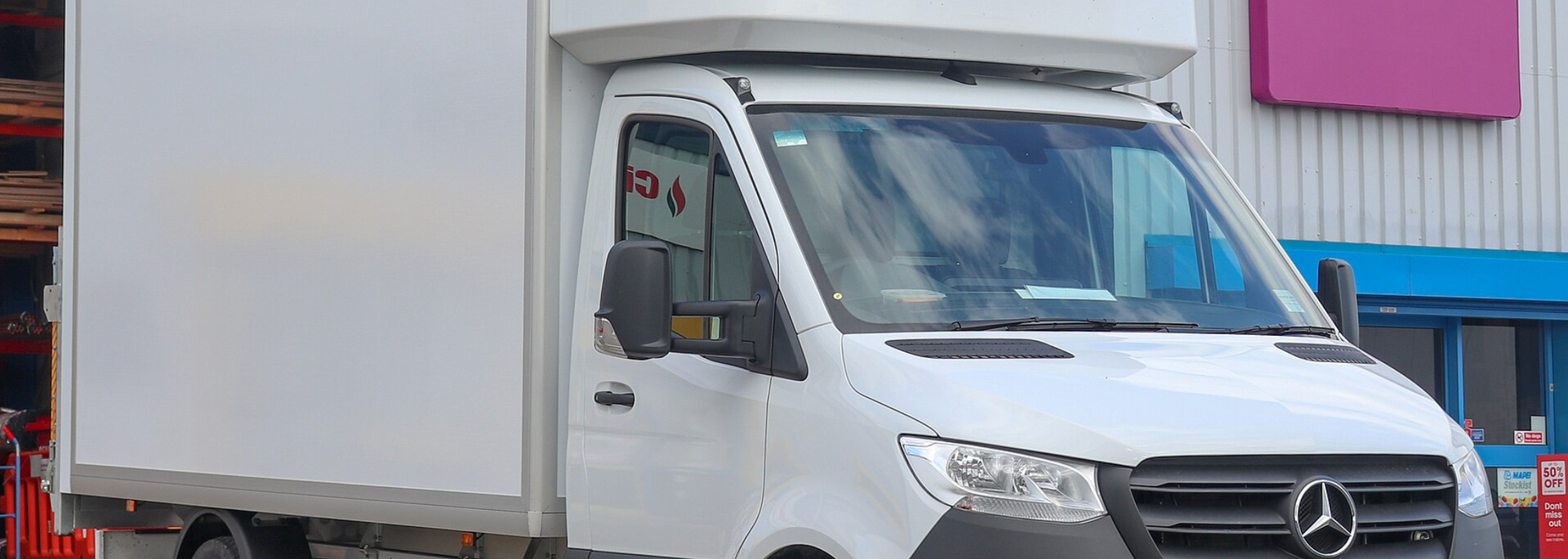
A Luton van is a large box-style van with a distinctive over-cab section that extends above the driver's cab.
It's that extra space above the cab that sets it apart from standard panel vans. This feature maximises load capacity, without dramatically increasing the overall footprint.
The Luton van is typically used for house moves or for transporting furniture or event equipment. This makes it a popular choice for retail delivery services and business relocations.
Many also come with a tail lift, which makes loading heavy items much easier.
What size is a Luton van?
External dimensions
Exact dimensions can vary a little depending on the manufacturer and model. However, the approximate external measurements of a typical Luton van in the UK are:
- Height: 3 to 3.3 metres
- Width: 2 to 2.2 metres
- Length:
6.5 to 7 metres
The most important figure to pay attention to here is height. That's because, at over three metres tall, Luton vans will not fit into most car parks with height restrictions. Always remember to check low bridges and parking limits before setting off.
Internal dimensions
As for internal load space, you're looking at dimensions of approximately:
- Height: 2 to 2.2 metres
- Width: 2 to 2.1 metres
- Length:
3.5 to 4.2 metres
This gives you around 15 to 20 cubic metres of load space, depending on the exact vehicle.
That tall, square load area is what makes the Luton van so practical for bulky items.
What is the payload of a Luton van?
Most standard 3.5-tonne Luton vans have a payload capacity of around 900 to 1,200 kilograms. By "payload", we mean the maximum weight you can carry safely in the load area.
It's important not to confuse load volume with weight capacity. You might be able to physically fit something inside, but if it's too heavy, you risk exceeding the legal weight limit.
For most domestic moves, this weight limit is more than sufficient. But if you're transporting very dense materials such as tiles, machinery, or large quantities of stock, it's worth checking in advance.
What should fit inside a Luton van?
Another common question is: "How much can you actually fit in a Luton van?"
As a general rule, a Luton van works well for:
- The contents of a 2- or 3-bedroom house
- Large sofas (including corner units)
- King-size mattresses
- Wardrobes (often upright)
- White goods, such as fridges, freezers and washing machines
- Office furniture, such as desks and chairs
- Event and staging equipment
- Photography or film equipment for larger productions
Because of the box shape and high roof, you can stack items more efficiently than in a standard van.
The over-cab section is often used for lighter items like boxes, bedding or soft furnishings.
Is a Luton van bigger than a Transit?
That's an easy one – yes.
A Luton van offers significantly more cubic load space than a standard Ford Transit or similar large panel van.
While a large panel van may offer around 10 to 12 cubic metres of space, a Luton typically provides up to 20. That extra height and square shape make a noticeable difference when moving furniture.
When is a Luton van the best choice?
A Luton van is ideal for a job you want to do in one trip. Maybe you're moving house and have large, bulky furniture, or need to transport tall items upright. Or perhaps you're relocating office equipment.
If you're only moving a few boxes or small furniture items, a smaller van may be more cost-effective. But if in doubt, go big! Underestimating space can mean extra trips, which will cost you more in time and fuel.
Here are some key considerations before hiring a Luton van:
- Height restriction: at more than 3 metres tall, Luton vans might not be able to access multistorey car parks and some residential areas.
- Tail lift availability: if you're moving heavy items, using a tail lift can make loading much safer and easier.
- Parking at both locations: make sure there's adequate space to park and load in and out safely.
- Weight distribution:
load the heavier items first and distribute the weight evenly to keep the vehicle stable.
If you're transporting the contents of a small flat, a medium van may be enough to get the job done. However, if you're moving a full household or office equipment, a Luton van is often the most practical option. Its height, width and box-shaped design give you flexibility that smaller vans simply can't match.
Do you need a special licence to drive a Luton van?
Not usually! Most Luton vans can be driven on a standard UK Category B driving licence. That's the same licence you use for a car.
However, you should always confirm the vehicle's gross vehicle weight (or GVW) before booking, particularly if you passed your driving test after 1997.
Is a Luton van right for your move?
At MVH Rental, our Luton van rentals are maintained to high standards. They're also available with practical features like tail lifts to make your move smoother.
We can help if you're unsure which size vehicle you need, so don't hesitate to get in touch with our team. When it comes to van hire, the right size and budget make all the difference.